


About
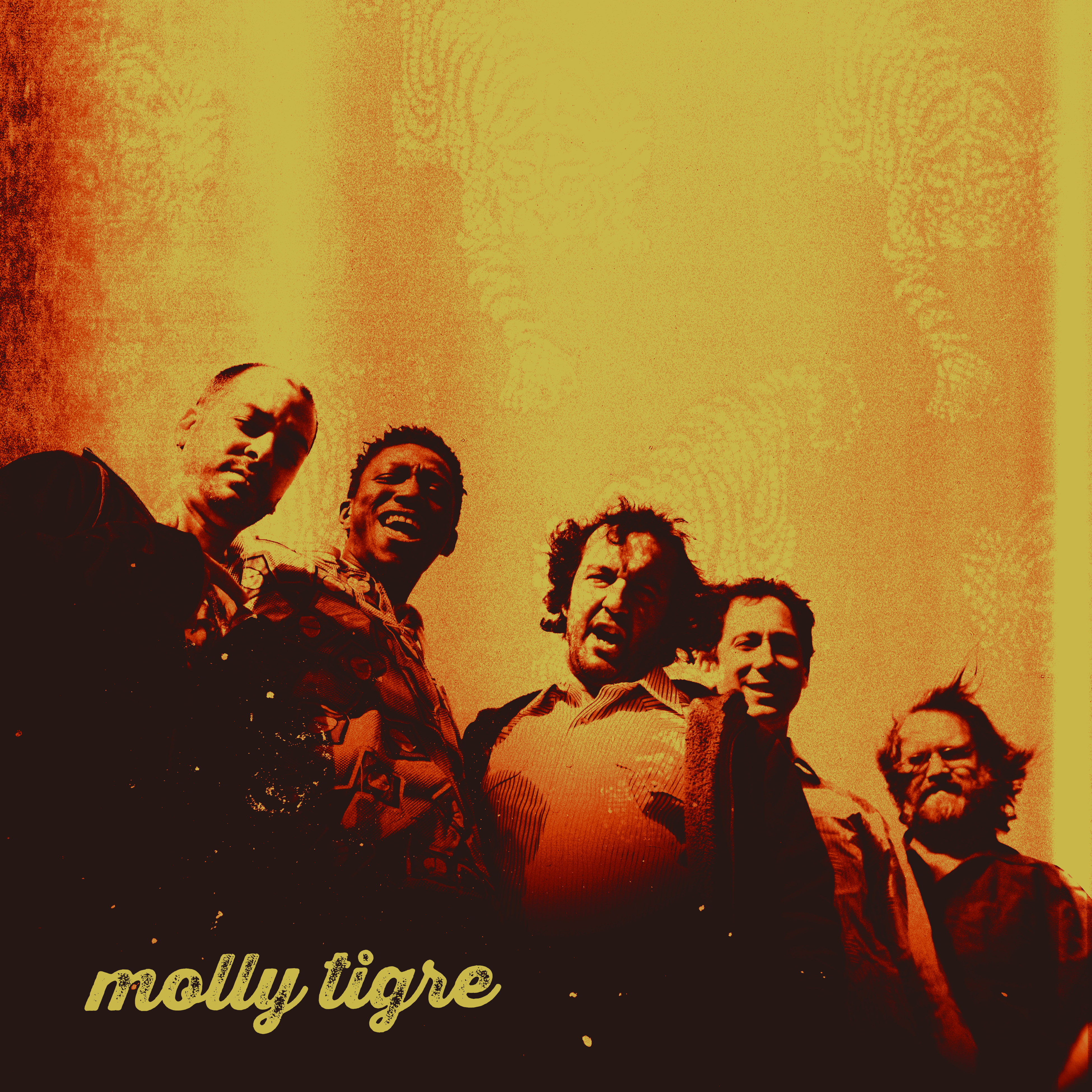
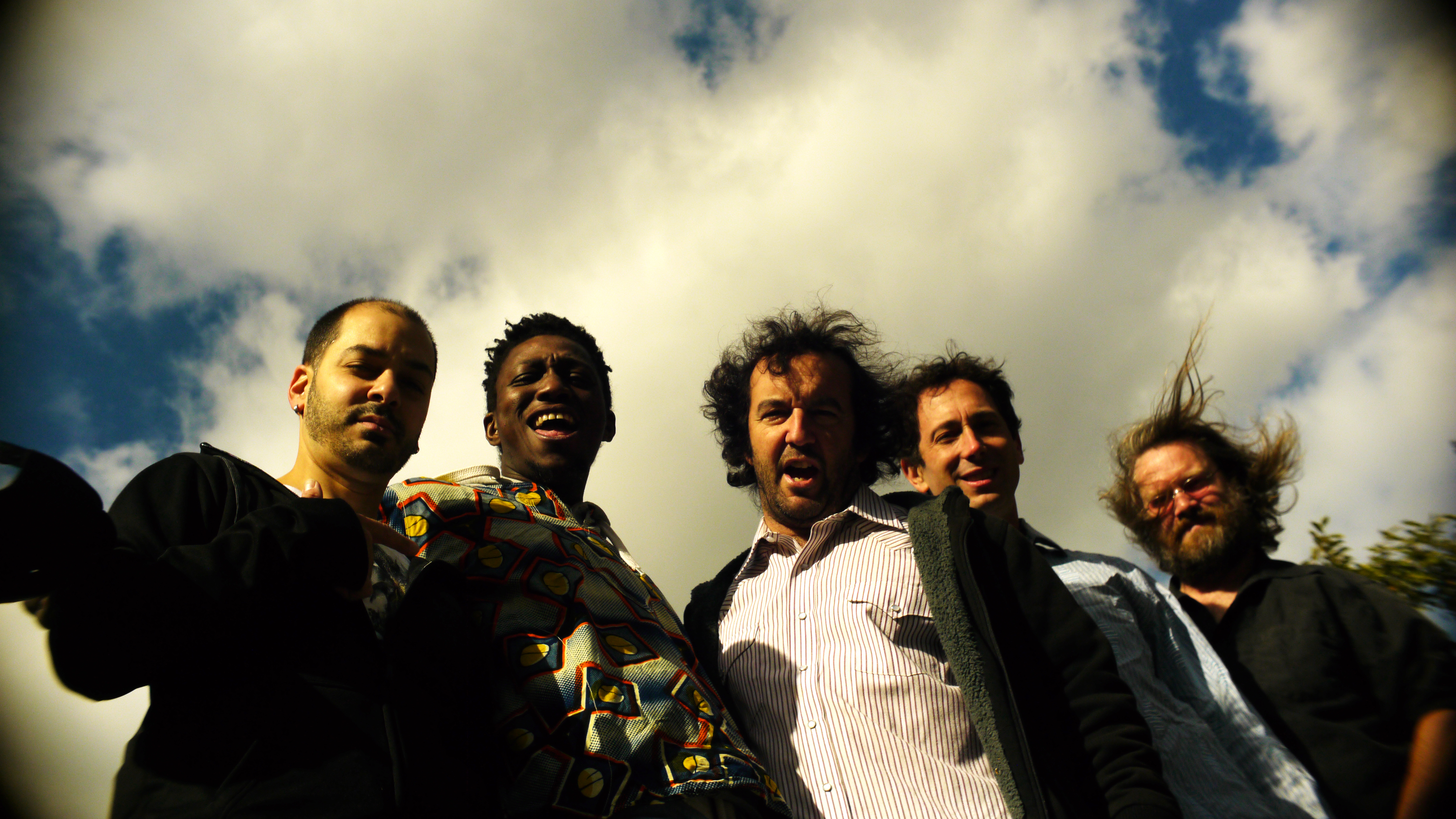
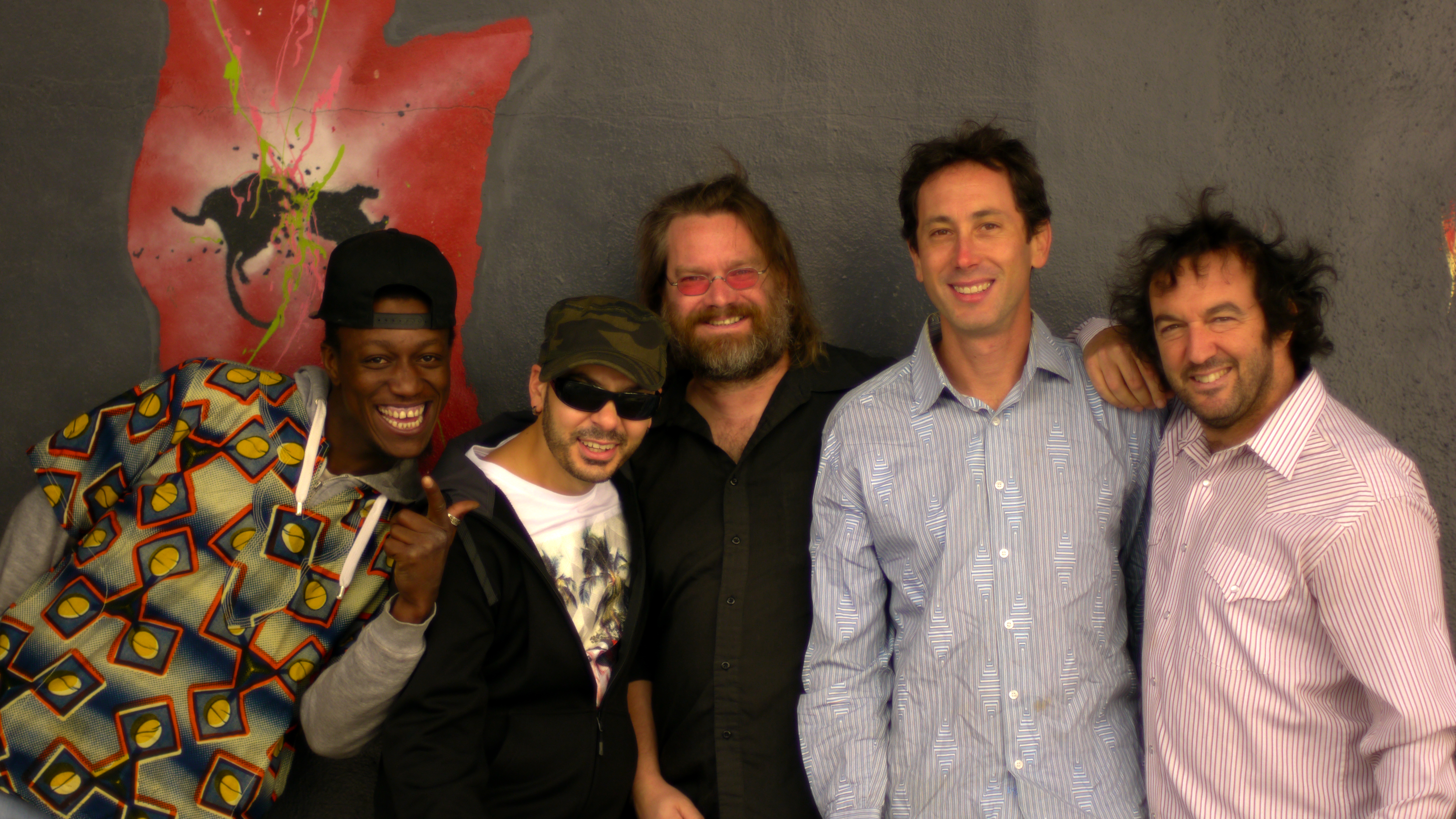
Molly Tigre marries the rhythms and melodies of African music– especially the entrancing styles from Ethiopia and Mali- with a uniquely progressive and exploratory jazz sound. Featuring the compositions of saxophonist Mitch Marcus (Donovan, Dave Dreiwitz) and bassist Ezra Gale (Super Hi-Fi, Aphrodesia), the band also features saxophonist Chris Hiatt (Japonize ...
Contact
Current News
- 05/11/201806/01/2018
- New York, NY
Mali + Tigray - Guitars = The Steady-Grooving African-Infused Jazz-Funk of Molly Tigre
Molly Tigre set out from Brooklyn to answer one tough question: What if the 70s vibes of the cult Ethiopiques series collided with Saharan desert rock and West African blues, but with no guitar to lead the melodic way?
Molly Tigre’s answer is audible in the quintet’s studio debut Molly Tigre (Very Special Recordings; digital and cassette release date: May 18, 2018). The sound is dark and slinky and mysteriously funky, brazenly open to the peculiar global sonic influences that wash...
- Republic of Jazz, Feature story, 04/09/2018, Mali + Tigray - Guitars = The Steady-Grooving African-Infused Jazz-Funk of Molly Tigre Text
- World Jazz News, Feature story, 04/12/2018, USA: Mali + Tigray - Guitars = The Steady-Grooving African-Infused Jazz Funk of Molly Tigre
- Green Arrow Radio, Airplay, 04/28/2018, Your Move Text
- KCRW, Airplay, 04/28/2018, Molly Tigre, Yekermo Sew
- + Show More
News
Molly Tigre set out from Brooklyn to answer one tough question: What if the 70s vibes of the cult Ethiopiques series collided with Saharan desert rock and West African blues, but with no guitar to lead the melodic way?
Molly Tigre’s answer is audible in the quintet’s studio debut Molly Tigre (Very Special Recordings; digital and cassette release date: May 18, 2018). The sound is dark and slinky and mysteriously funky, brazenly open to the peculiar global sonic influences that wash over musicians on the streets of the outer boroughs. The premise sounds like some quirky and academic composition challenge, but the mashup has led to some seriously good music, tracks that explore and question without losing sight of the groove.
“I wanted to bring together some of the music and styles from Northern Mali and certain regions in Ethiopia, like Tigray,” the genesis of the band’s name, notes bassist and co-founder Ezra Gale. “I hear a lot of commonalities between them, like the pentatonic scales that are similar sounding. The fact that the rhythms they are using are based around groups of six. They subdivide that differently but there’s a thread that ties them together. When I started playing the music side by side, I thought it was fascinating and I wanted to mash them together.”
He tossed the idea around with sax player Mitch Marcus, longtime friend who has toured with the likes of Donovan and who was former bandmate in the West Coast Afrobeat/-pop group Aphrodesia. “We both realized we were big fans of that music, and not many musicians were doing anything with that at the time,” says Marcus. “That was what we wanted to try originally.”
Mixing two different sets of styles, timbres, and rhythms from opposite ends of a large continent wasn’t enough, however. Gale and Marcus wanted to shake up the approach to the instrumentation often found in many Afro-inspired, groove-oriented bands. “When we started thinking about these very different styles from two different regions, something else came up. I love the sound of no chords, when sax and bass are the only melody instruments,” Gale explains. “There’s a tradition of this in jazz, as people have done piano-less quartets. You get to imply harmonies without a guitar or piano spelling it out, which makes it open and free. It’s hard to do well and make it sound full.”
Molly Tigre went for it, nonetheless. Marcus and Gale recruited sax and flute player Chris Hiatt (Japonize Elephants), drummer Joey Abba (The Ramones), and percussionist Ibrahima Kolipe Camara (National Dance Company of Guinea, Kakande), with occasional blurts of Farfisa provided by a battered old organ one of their recording engineers dragged out of the trash. “We’ve had chordal players sit in with us live,” remarks Marcus, “but not having the chords spelled out adds this space to the songs that’s really nice.”
Instead of the guitar-guided sound common to both Mali and some Ethiopian groups, Gale and Marcus often look to percussion sounds and ideas for inspiration. “From the start, percussion was a really vital element in our writing,” muses Gale. “We’re not just writing a horn melody and a bass line and, okay, whatever the percussion wants to do over that is fine. I think of it as another line in the composition that’s integral to the performance and has a lot of the range of a piano or guitar.”
Percussion lines and rhythmic hooks sparked tracks like “Hello Bolly,” Marcus’s rollicking, rolling tribute to Bollywood soundtracks but with an Afro-diasporic twist. Gale was also moved by the groove to craft “Slush Fund,” a song he swore was a copycat of a Kenyan James Brown-esque track he would spin at a regular DJ gig. “When I went and listened again,” he laughs, “it was nothing like it, except it was in 6/8.”
Though the pieces on the album were inspired by a somewhat abstract premise, once they get down and dirty, it’s all about the music. The film-noir funk of “Lebanese Blond” pits two melodies against one another, leaving plenty of room for improvisation as they weave in and out. “Ethiofreaks” adds vibes to the mix, a tip of the hat to Ethiopian jazz master and vibe player Mulatu Astatke, for an original take on the Ethiopiques sound. Some tributes are even more direct: Astatke’s 70s gem “Yekermo Sew” keeps its serpentine, modal feel, but winds up with new harmonies. “We ended up accidently reharmonizing it,” says Marcus. “I handed out a chart to the band in a particular key; the alto and tenor sax are in different keys. Chris was playing the wrong thing, for lack of a better word, as he was supposed to transpose his line. But it sounded really good in fourths, so we ran with it.”
Running with that open space left where guitars might be, with that room to stretch out and improvise, means combining untold numbers of influences, the kind of thing New York musicians absorb just from walking down the block, past the bodega, the stoop or car stereo speakers, the singing neighbor, the subway violinist.
“Even if we wanted to make this a tribute to these styles, it would never come out that way. We live here, with so much swirling around,” says Gale. “We’re playing Africa-influenced music, but filtered through these lenses,” he adds, “and we love it because it’s original.”
“When you add improvisation into the mix,” Marcus adds, “you’re going to get something different out. “
Molly Tigre set out from Brooklyn to answer one tough question: What if the 70s vibes of the cult Ethiopiques series collided with Saharan desert rock and West African blues, but with no guitar to lead the melodic way?
Molly Tigre’s answer is audible in the quintet’s studio debut Molly Tigre (Very Special Recordings; digital and cassette release date: May 18, 2018). The sound is dark and slinky and mysteriously funky, brazenly open to the peculiar global sonic influences that wash over musicians on the streets of the outer boroughs. The premise sounds like some quirky and academic composition challenge, but the mashup has led to some seriously good music, tracks that explore and question without losing sight of the groove.
“I wanted to bring together some of the music and styles from Northern Mali and certain regions in Ethiopia, like Tigray,” the genesis of the band’s name, notes bassist and co-founder Ezra Gale. “I hear a lot of commonalities between them, like the pentatonic scales that are similar sounding. The fact that the rhythms they are using are based around groups of six. They subdivide that differently but there’s a thread that ties them together. When I started playing the music side by side, I thought it was fascinating and I wanted to mash them together.”
He tossed the idea around with sax player Mitch Marcus, longtime friend who has toured with the likes of Donovan and who was former bandmate in the West Coast Afrobeat/-pop group Aphrodesia. “We both realized we were big fans of that music, and not many musicians were doing anything with that at the time,” says Marcus. “That was what we wanted to try originally.”
Mixing two different sets of styles, timbres, and rhythms from opposite ends of a large continent wasn’t enough, however. Gale and Marcus wanted to shake up the approach to the instrumentation often found in many Afro-inspired, groove-oriented bands. “When we started thinking about these very different styles from two different regions, something else came up. I love the sound of no chords, when sax and bass are the only melody instruments,” Gale explains. “There’s a tradition of this in jazz, as people have done piano-less quartets. You get to imply harmonies without a guitar or piano spelling it out, which makes it open and free. It’s hard to do well and make it sound full.”
Molly Tigre went for it, nonetheless. Marcus and Gale recruited sax and flute player Chris Hiatt (Japonize Elephants), drummer Joey Abba (The Ramones), and percussionist Ibrahima Kolipe Camara (National Dance Company of Guinea, Kakande), with occasional blurts of Farfisa provided by a battered old organ one of their recording engineers dragged out of the trash. “We’ve had chordal players sit in with us live,” remarks Marcus, “but not having the chords spelled out adds this space to the songs that’s really nice.”
Instead of the guitar-guided sound common to both Mali and some Ethiopian groups, Gale and Marcus often look to percussion sounds and ideas for inspiration. “From the start, percussion was a really vital element in our writing,” muses Gale. “We’re not just writing a horn melody and a bass line and, okay, whatever the percussion wants to do over that is fine. I think of it as another line in the composition that’s integral to the performance and has a lot of the range of a piano or guitar.”
Percussion lines and rhythmic hooks sparked tracks like “Hello Bolly,” Marcus’s rollicking, rolling tribute to Bollywood soundtracks but with an Afro-diasporic twist. Gale was also moved by the groove to craft “Slush Fund,” a song he swore was a copycat of a Kenyan James Brown-esque track he would spin at a regular DJ gig. “When I went and listened again,” he laughs, “it was nothing like it, except it was in 6/8.”
Though the pieces on the album were inspired by a somewhat abstract premise, once they get down and dirty, it’s all about the music. The film-noir funk of “Lebanese Blond” pits two melodies against one another, leaving plenty of room for improvisation as they weave in and out. “Ethiofreaks” adds vibes to the mix, a tip of the hat to Ethiopian jazz master and vibe player Mulatu Astatke, for an original take on the Ethiopiques sound. Some tributes are even more direct: Astatke’s 70s gem “Yekermo Sew” keeps its serpentine, modal feel, but winds up with new harmonies. “We ended up accidently reharmonizing it,” says Marcus. “I handed out a chart to the band in a particular key; the alto and tenor sax are in different keys. Chris was playing the wrong thing, for lack of a better word, as he was supposed to transpose his line. But it sounded really good in fourths, so we ran with it.”
Running with that open space left where guitars might be, with that room to stretch out and improvise, means combining untold numbers of influences, the kind of thing New York musicians absorb just from walking down the block, past the bodega, the stoop or car stereo speakers, the singing neighbor, the subway violinist.
“Even if we wanted to make this a tribute to these styles, it would never come out that way. We live here, with so much swirling around,” says Gale. “We’re playing Africa-influenced music, but filtered through these lenses,” he adds, “and we love it because it’s original.”
“When you add improvisation into the mix,” Marcus adds, “you’re going to get something different out. “